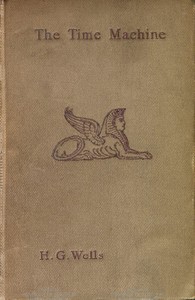
The Time Machine
A practical guide—then open the legal full text when you're ready.
Reading guide
Who it’s for, why read, how to read, what you’ll gain—skim before you commit hours to the text.
AI-assisted draft, checked before publish. Use it to decide and start—not as a substitute for the book or scholarly citation.
Who it's for
This book is for readers new to science fiction, fans of time-travel stories, and anyone curious about the early classics of the genre. It is short (about 100 pages) and written in clear, direct prose, so it suits teenagers and adults alike. No special background is needed.
Why read it
H. G. Wells's The Time Machine is one of the first stories to treat time travel as a scientific possibility, and it set the pattern for countless books and films. Beyond the adventure, it is a sharp and dark fable about class division, technology, and the possible future of humanity. The plot moves quickly, with a famous twist that still surprises readers. It is also a compact introduction to Wells's social criticism, which remains relevant today.
How to read
- Read the main story first, without stopping to look up every word. Let the mystery pull you forward.
- Pay attention to the Time Traveller's observations of the future world. They are the heart of Wells's social commentary.
- After finishing, go back to the descriptions of the Eloi and the Morlocks. Think about what each group represents.
- If you are reading in English, a short introduction or glossary can help, but do not let it slow you down.
- The frame narrative (the dinner-party scenes) may feel old-fashioned, but it adds a layer of realism to the fantastic story.
What you'll gain
You will understand the origin of many time-travel conventions and see how early science fiction asked big questions about progress and inequality. You will also get a memorable image of a possible future that warns against blind faith in technology. Finally, the book offers a starting point for discussions about class, evolution, and the fate of civilization, making it a rewarding read for both pleasure and study.
Next step: open the real book
This page is the guide; Project Gutenberg holds the legal text.
We do not host unauthorized commercial ebook files. Prefer official public-domain sources. Legal reading guide.