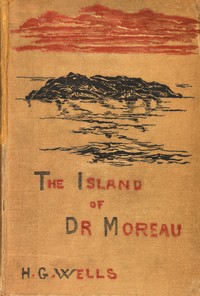
The Island of Doctor Moreau
A practical guide—then open the legal full text when you're ready.
Reading guide
Who it’s for, why read, how to read, what you’ll gain—skim before you commit hours to the text.
AI-assisted draft, checked before publish. Use it to decide and start—not as a substitute for the book or scholarly citation.
Who it's for
This book is for readers who enjoy classic science fiction, gothic adventure, and ethical dilemmas. It is short (about 150 pages) and moves quickly. The Victorian English may feel a little old-fashioned, but the story is easy to follow.
Why read it
H. G. Wells published *The Island of Doctor Moreau* in 1896. It is a key early science-fiction novel about a scientist who tries to turn animals into humans through painful experiments. The story is told by Edward Prendick, a shipwrecked man who discovers the island's terrible secrets. It raises questions about what makes us human and how far science should go. These questions are still important today, making the book worth reading now.
How to read
- Read the main story first for the suspense and atmosphere. Pause at the "Law" passages to think about what they mean.
- Don't worry about every old word. Focus on the plot and Prendick's changing feelings.
- After finishing, go back to Doctor Moreau's explanations and Prendick's fear. Think about Wells's warning against science without limits.
- If you want to watch a film adaptation, read the book first so the images don't replace your own imagination.
What you'll gain
- A clear view of how early science fiction explored scientific ethics and social criticism.
- A deeper understanding of why empathy and responsibility matter in scientific work, seen through Moreau's downfall.
- Practice in reading gothic storytelling, noticing how details and mood create fear, and building skills in close reading of classic texts.
Next step: open the real book
This page is the guide; Project Gutenberg holds the legal text.
We do not host unauthorized commercial ebook files. Prefer official public-domain sources. Legal reading guide.