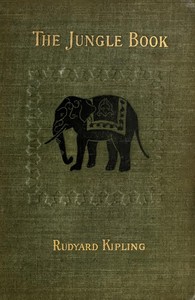
The Jungle Book
A practical guide—then open the legal full text when you're ready.
Reading guide
Who it’s for, why read, how to read, what you’ll gain—skim before you commit hours to the text.
AI-assisted draft, checked before publish. Use it to decide and start—not as a substitute for the book or scholarly citation.
Who it's for
This book is for readers who enjoy animal stories, adventure tales, and classic children's literature. It suits anyone curious about India, jungles, or the idea of a child raised by wolves. The English is lively but includes poems and old-fashioned words, so it works best for intermediate readers or as a family read-aloud.
Why read it
*The Jungle Book* is more than the story of Mowgli. It builds a whole jungle society with laws, languages, and councils. Kipling writes with a reporter's eye for detail, making the jungle feel real and magical at the same time. The characters are unforgettable: strict Bagheera, kind Baloo, and mad Shere Khan. Between the adventures are poems and short fables that add layers of thought about nature, growing up, and order. In our age of ecological awareness, reading this late-19th-century work reveals the complex tension between humans and wild animals.
How to read
- Read the main text first. You can skip the poems at first and come back to them later.
- Each chapter stands mostly alone, so the book works well for bedtime or commute reading.
- Notice the loose connections between chapters: some are about Mowgli, others about different animals. Treat it like a short story collection.
- If you read the English original, pair it with an audiobook or an annotated edition to help with Indian references and Victorian phrasing.
- After finishing, watch the Disney animation or the 2016 film to compare how adaptation changes the story.
What you'll gain
You will understand the survival wisdom and community ethics behind the Law of the Jungle, and think more deeply about rules versus freedom. You will meet vivid animal characters and see Kipling's skill at creating personalities. You will pick up many English expressions about nature and animals, and feel the rhythm of his poems. You will also get a first sense of how colonial-era literature imagined India, which prepares you for related reading.
Next step: open the real book
This page is the guide; Project Gutenberg holds the legal text.
We do not host unauthorized commercial ebook files. Prefer official public-domain sources. Legal reading guide.