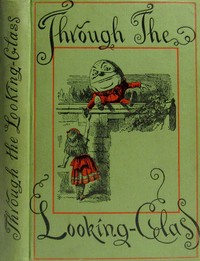
Through the Looking-Glass
A practical guide—then open the legal full text when you're ready.
Reading guide
Who it’s for, why read, how to read, what you’ll gain—skim before you commit hours to the text.
AI-assisted draft, checked before publish. Use it to decide and start—not as a substitute for the book or scholarly citation.
Who it's for
This book is for readers who enjoy wordplay, logic puzzles, and nonsense humor. It suits older children, teens, and adults who have read or heard about Alice's first adventure. The book is short, but the poems and Victorian jokes may need notes for new readers.
Why read it
Lewis Carroll's second Alice book moves the story from underground to a mirror world laid out like a chessboard. Alice moves from pawn to queen, meeting Tweedledum and Tweedledee, Humpty Dumpty, and the White Knight along the way. The story is full of reversed logic and language games. It is a classic of children's fantasy and also a playful experiment for adults. Reading it now is a chance to enjoy how rules can be gently rewritten.
How to read
- Treat it as a chess game: watch Alice move from the Second Square to the Eighth, with chapters matching the progress.
- Do not skip the poems and songs. Read them aloud first for rhythm and rhyme, then check the notes.
- Keep a pencil handy and note the "backwards" rules, such as results coming before causes or names being more real than things.
- If you know the first Alice book, look for echoes in characters and tone; if not, the story still works on its own.
- It is short enough to read in two or three sittings, three or four chapters at a time, leaving room to enjoy the language.
What you'll gain
You will become more familiar with the tradition of nonsense verse and playful logic in English literature. You will see how Carroll wraps gentle satire about language, mathematics, and power inside a children's story. You will remember several vivid characters and scenes, and you may become more alert to how meaning is made. A second reading can reveal the chess structure and mirror patterns you missed the first time.
Next step: open the real book
This page is the guide; Project Gutenberg holds the legal text.
We do not host unauthorized commercial ebook files. Prefer official public-domain sources. Legal reading guide.