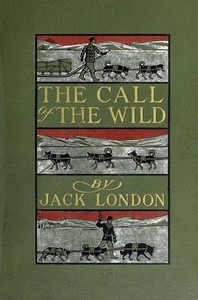
The call of the wild
A practical guide—then open the legal full text when you're ready.
Reading guide
Who it’s for, why read, how to read, what you’ll gain—skim before you commit hours to the text.
AI-assisted draft, checked before publish. Use it to decide and start—not as a substitute for the book or scholarly citation.
Who it's for
This guide is for readers who enjoy animal stories, adventure tales, or classic novels about nature versus civilization. It suits those who want a short, fast-paced English classic; the original English is moderately difficult, good for high school students and above or learners with some vocabulary. It is also for anyone curious about the Klondike Gold Rush, sled-dog life, or animal welfare.
Why read it
This is Jack London's most famous short novel. It follows Buck, a dog from California, as he changes from a domestic pet into a leader in the wild. The story is set in the Yukon during the late 19th-century gold rush, showing the hard and often cruel life of sled dogs. The novel explores instinct, adaptation, loyalty, and freedom in a way that is both exciting and thought-provoking. It is short and moves quickly, making it a good introduction to American naturalist literature.
How to read
- Read the main text first to feel the pace and emotional impact; each chapter ends with suspense, so it is easy to read in one go.
- If the English original is hard, try a Chinese translation or an annotated edition first, then return to the original and notice London's clear, powerful descriptions.
- Pay attention to the world from Buck's point of view, and to the contrast between wilderness and civilization.
- After finishing, read a guide or review to think about how the novel presents animal welfare and the law of nature.
- It is better not to watch a film adaptation first, so you can enjoy the freshness of the written story.
What you'll gain
- An understanding of Buck's transformation from tame to wild, and a chance to think about how environment shapes life.
- A vivid sense of Jack London's northern wilderness and the style of naturalist writing.
- More concrete knowledge of the gold rush and sled-dog culture.
- Starting points for discussion about animal rights, survival, and the cost of freedom.
Next step: open the real book
This page is the guide; Project Gutenberg holds the legal text.
We do not host unauthorized commercial ebook files. Prefer official public-domain sources. Legal reading guide.