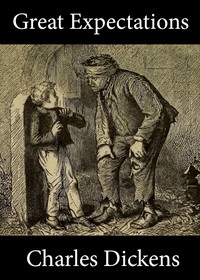
Great Expectations
A practical guide—then open the legal full text when you're ready.
Reading guide
Who it’s for, why read, how to read, what you’ll gain—skim before you commit hours to the text.
AI-assisted draft, checked before publish. Use it to decide and start—not as a substitute for the book or scholarly citation.
Who it's for
This novel suits readers who enjoy character-driven coming-of-age stories and vivid portraits of Victorian England. It is long and slow at first, so it asks for patience, but the rewards are rich.
Why read it
Great Expectations is Dickens at his most searching. Through the orphan Pip, it asks whether respectability or kindness matters more. The novel explores class, money, shame, and forgiveness in ways that still feel urgent. If you have ever felt uneasy about where you come from, this book offers a mirror and a gentle reckoning.
How to read
- Read the main text first and save the notes for a second pass.
- Take your time with the first part, set in the marshes and Pip's childhood; it lays the emotional foundation.
- The London chapters are longer, so you may speed up, but do not skip Pip's inner shame and vanity.
- Once the truth is revealed in the third part, keep reading to the end to see how Dickens ties every thread.
- After finishing, compare the original ending with the revised one and think about why the author changed it.
What you'll gain
- A clearer sense of what "gentleman" meant in Victorian England and of Dickens's doubts about class mobility.
- A fuller understanding of growth through Pip's arc from self-doubt to snobbery to self-knowledge.
- An appreciation of how Dickens uses mystery and coincidence to carry serious themes.
- A more balanced view of benefactors and gratitude: who really changes whose life.
Next step: open the real book
This page is the guide; Project Gutenberg holds the legal text.
We do not host unauthorized commercial ebook files. Prefer official public-domain sources. Legal reading guide.