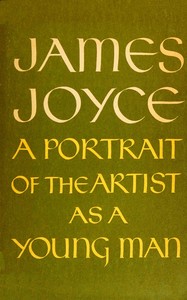
A Portrait of the Artist as a Young Man
A practical guide—then open the legal full text when you're ready.
Reading guide
Who it’s for, why read, how to read, what you’ll gain—skim before you commit hours to the text.
AI-assisted draft, checked before publish. Use it to decide and start—not as a substitute for the book or scholarly citation.
Who it's for
This book suits readers curious about modernist literature, coming-of-age stories, and Irish writing. It is a semi-autobiographical novel, so it also appeals to readers who enjoy seeing how a writer turns his own life into fiction. English learners with advanced reading skills can manage it, but be honest with yourself: the language shifts and grows harder as the book goes on. It is not a long book, but it asks for patience.
Why read it
Joyce follows Stephen Dedalus from childhood to young adulthood as he slowly questions family, religion, and art. What makes the book worth your time now is the way the prose itself changes with Stephen's age and consciousness. Early scenes are simple and sensory; later pages become dense with inner thought. This is one of the clearest places to watch modernism being built. It also gives you a vivid picture of late nineteenth-century Ireland, school life, and Catholic culture. No major twists are spoiled by knowing this.
How to read
- Read for plot first. Let the story carry you even when sentences feel strange.
- Notice how the narration adjusts to Stephen's age. This is the key to the book's technique.
- Keep a light note of recurring images: water, birds, religion, language, and escape.
- If a passage feels jumpy, read it aloud or reread it slowly rather than stopping to decode every word.
- Use public background material on Joyce's life and Irish history only when you feel stuck.
- Watch film adaptations after reading, not before.
What you'll gain
- A working sense of how modernist fiction uses inner monologue and shifting style.
- Sharper attention to how language can mirror a character's mind.
- Cultural literacy about Irish identity, Catholic schooling, and artistic ambition.
- A useful model for reading difficult books: plot first, technique second.
Next step: open the real book
This page is the guide; Project Gutenberg holds the legal text.
We do not host unauthorized commercial ebook files. Prefer official public-domain sources. Legal reading guide.