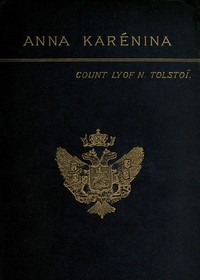
Anna Karenina
A practical guide—then open the legal full text when you're ready.
Reading guide
Who it’s for, why read, how to read, what you’ll gain—skim before you commit hours to the text.
AI-assisted draft, checked before publish. Use it to decide and start—not as a substitute for the book or scholarly citation.
Who it's for
This novel is for readers who are interested in 19th-century Russian society, marriage and family ethics, and the conflict between personal desire and social norms. It is long (about 800,000 words) and has many characters, so it requires patience. But the story is strong, and it suits readers who can stay with a long book.
Why read it
Anna Karenina is one of Tolstoy's masterpieces. It tells two main stories: Anna's tragedy and Levin's search for meaning. The novel paints a rich picture of Russian aristocratic life. It explores love, marriage, faith, work, and death in ways that still feel relevant today. Reading it now can make you rethink the balance between personal happiness and social responsibility.
How to read
- Read the main text first. Don't worry too much about Russian names and their variations at the beginning; a character list can help.
- The book has eight parts. Move through them one by one. After each part, pause to reflect on the main events and the characters' inner changes.
- Anna's story and Levin's story alternate. Notice how they contrast and echo each other.
- If you use a public-domain ebook, read the main text first. Save notes and introductions for a second reading or for when you need them.
- Film adaptations can help, but read the book first so that adaptations don't limit your view.
What you'll gain
- A clearer picture of 19th-century Russian society and aristocratic life.
- An understanding of the many causes of Anna's tragedy and Tolstoy's complex attitude toward marriage, family, and personal desire.
- Through Levin's search, a chance to think about faith, work, and the meaning of life.
- A better appreciation of long novels and multi-strand storytelling.
Next step: open the real book
This page is the guide; Project Gutenberg holds the legal text.
We do not host unauthorized commercial ebook files. Prefer official public-domain sources. Legal reading guide.