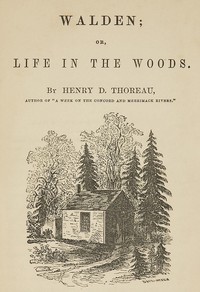
Walden
A practical guide—then open the legal full text when you're ready.
Reading guide
Who it’s for, why read, how to read, what you’ll gain—skim before you commit hours to the text.
AI-assisted draft, checked before publish. Use it to decide and start—not as a substitute for the book or scholarly citation.
Who it's for
This book suits readers who enjoy nature writing, simple living, and questions about personal freedom. It also works for English learners who want a slower, reflective text with rich vocabulary. Parents and teachers can use short passages for discussion. Be honest with yourself: it is a nineteenth-century essay collection, so the sentences are long and the pace is unhurried.
Why read it
*Walden* records Thoreau's two years living by a pond near Concord, Massachusetts, and it mixes close nature observation with philosophical reflection. He writes about seasons, sounds, weather, and the small details of daily expenses, then turns those details into questions about work, consumption, and what a person really needs. Reading it now is a useful counterweight to busy, noisy, spend-heavy life. It also gives cultural literacy: many later writers on nature and simplicity answer Thoreau directly. You do not have to agree with him to find the questions sharp.
How to read
- Treat it as a slow text: read one short section a day rather than rushing chapters.
- Keep a notebook for details about seasons, sounds, animals, and Thoreau's household costs.
- Pause on his arguments about consumption, labor, solitude, and self-cultivation; ask where you agree and where you do not.
- Read with the nineteenth-century American Transcendentalist background in mind, especially its emphasis on nature and spirit.
- Watch film or audio adaptations only after you finish the book, so your own reading comes first.
What you'll gain
- A habit of noticing small natural details during ordinary days.
- Clearer questions about what you spend, what you own, and why you work.
- A better sense of Transcendentalism and its place in American thought.
- Practice reading long, old-fashioned English sentences with patience.
Next step: open the real book
This page is the guide; Project Gutenberg holds the legal text.
We do not host unauthorized commercial ebook files. Prefer official public-domain sources. Legal reading guide.